
What Is Stamped Concrete and How Does It Work?
People searching for stamped concrete installation want attractive, durable surfaces, and local contractors can help achieve the look and function they desire.
If you’ve been exploring options to enhance your property's outdoor spaces, understanding what is stamped concrete and how does it work can be a valuable step. Stamped concrete offers a versatile and attractive alternative to traditional paving, allowing property owners to achieve the look of natural stone, brick, or tile at a potentially lower cost. Whether updating a driveway, patio, or walkway, many local contractors offer stamped concrete installation services that can transform ordinary surfaces into eye-catching features, making it worth learning about this decorative technique.
Many property owners in the area turn to stamped concrete for its durability and customizable appearance. Knowing how stamped concrete is created and what factors influence its final look can help you make informed decisions about your project. Local service providers have the expertise to guide you through the process, from choosing patterns and colors to ensuring proper installation. Keep reading to discover more about how stamped concrete works and how local contractors can help bring your vision to life with this practical and stylish surface option.
- Stamped concrete installation services are ideal when homeowners want to create decorative surfaces that mimic natural materials, with local contractors applying specialized techniques to achieve realistic patterns and textures. When designing patios, walkways, or driveways that require a durable yet visually appealing finish, local service providers use stamping methods to enhance concrete surfaces. For projects aiming to add aesthetic value through intricate designs and color variations, local pros approach the work with precision to ensure long-lasting results. If a property owner is considering a custom look for outdoor spaces that combines style and functionality, local contractors can handle stamped concrete installation with attention to detail. Those exploring what is stamped concrete and how does it work may find that local pros can deliver tailored solutions that meet both design and durability needs.
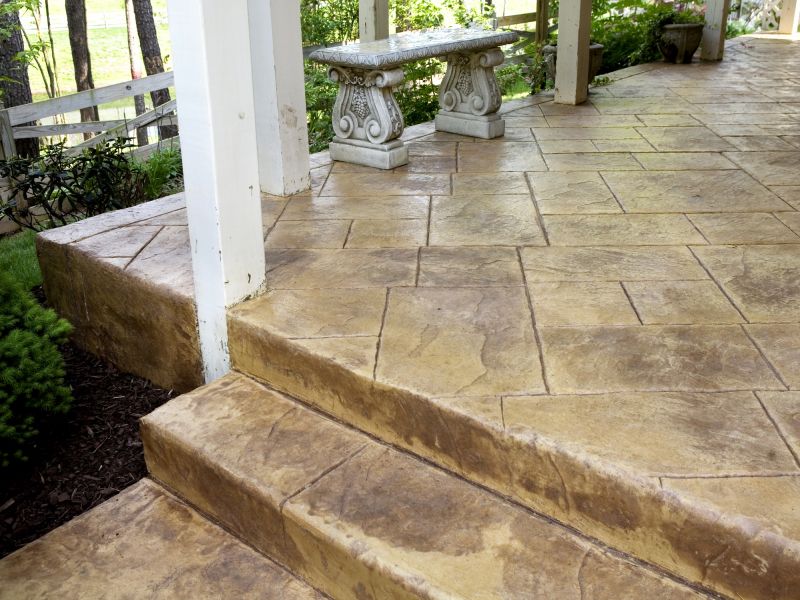
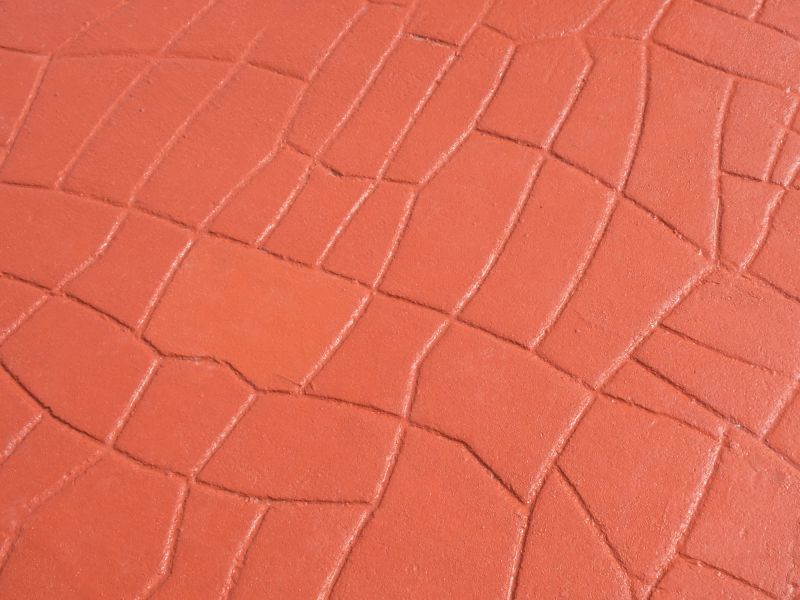
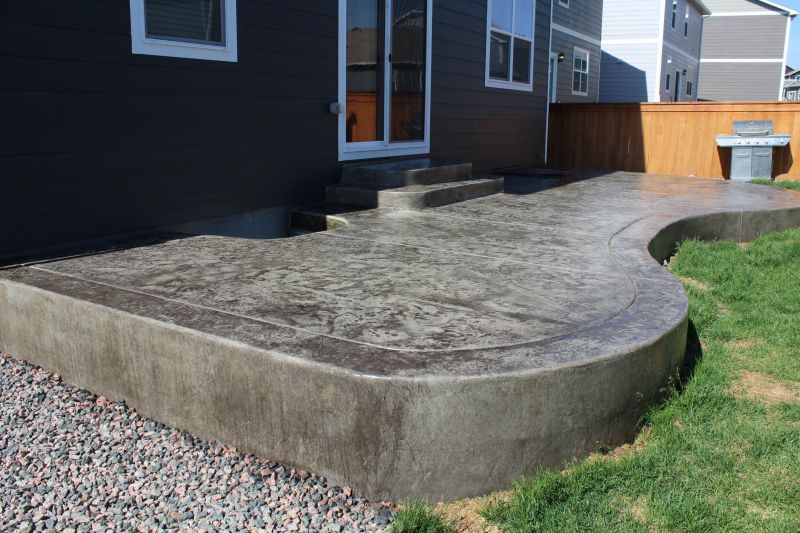
When people search for what is stamped concrete and how does it work, they are often exploring options for decorative concrete surfaces that combine durability with aesthetic appeal. This type of concrete is commonly chosen for outdoor areas such as patios, walkways, driveways, and pool decks, where a more attractive finish is desired without the expense of traditional paving materials like stone or pavers. Homeowners may be interested in understanding how stamped concrete can mimic the look of natural stone, brick, or slate, offering a versatile solution that enhances curb appeal and property value. The inquiry often stems from a desire to upgrade an existing concrete slab or plan a new installation that balances style with long-term performance.
Stamped concrete relates to projects that aim to improve the visual impact of concrete surfaces through a specialized process. It involves pouring a concrete slab and then applying textured patterns and color accents to create a decorative, patterned finish. This process typically includes pressing molds or stamps into the wet concrete to imprint designs that resemble more expensive paving materials. The coloring techniques used-such as integral dyes or surface stains-further enhance the realistic appearance of natural materials. Homeowners planning renovations or new installations may seek out local contractors experienced in stamped concrete to ensure the pattern and coloring are executed precisely, resulting in a durable surface that maintains its beauty over time.
The types of properties that often feature stamped concrete include residential homes, commercial buildings, and public spaces. In residential settings, stamped concrete is popular for patios, pool surrounds, and driveway upgrades, offering a customized look that complements the home’s style. Commercial properties, such as storefronts or restaurant patios, may choose stamped concrete for its ability to create an inviting, professional appearance. Public spaces like parks or community walkways also benefit from stamped concrete’s durability and visual appeal. When considering a stamped concrete project, property owners typically work with local service providers who can help select the right pattern, color scheme, and finish to match the property’s aesthetic and functional needs.
Understanding how stamped concrete works helps homeowners see its potential as a practical and attractive surface option. The process begins with preparing a solid base, followed by pouring and leveling the concrete. Once the concrete is partially set, the contractor presses textured stamps into the surface to create the desired pattern. After the pattern is impressed, color is applied to enhance realism and visual interest. The surface is then sealed to protect the finish and prolong its lifespan. Local contractors specializing in stamped concrete installation can guide property owners through each step, ensuring the finished surface is both visually appealing and structurally sound. This combination of craftsmanship and technique makes stamped concrete a popular choice for those looking to add decorative flair to their property.
Concrete Surface Finishing - local contractors skilled in concrete finishing techniques can help achieve textured and patterned surfaces similar to stamped concrete for various outdoor projects.
Decorative Concrete Applications - professionals experienced in decorative concrete work can assist with overlays and treatments that mimic stamped concrete aesthetics.
Patio and Walkway Design - local service providers can design and install custom patios and walkways that incorporate stamped concrete patterns for enhanced curb appeal.
Concrete Resurfacing - experts in concrete resurfacing can transform existing slabs with stamped overlays, adding decorative patterns and textures.
Stamped Concrete Borders - local pros can create decorative borders and accents using stamped concrete techniques to complement larger surfaces.
Outdoor Flooring Installations - specialists in outdoor flooring can incorporate stamped concrete styles into various hardscape projects for durable, decorative surfaces.
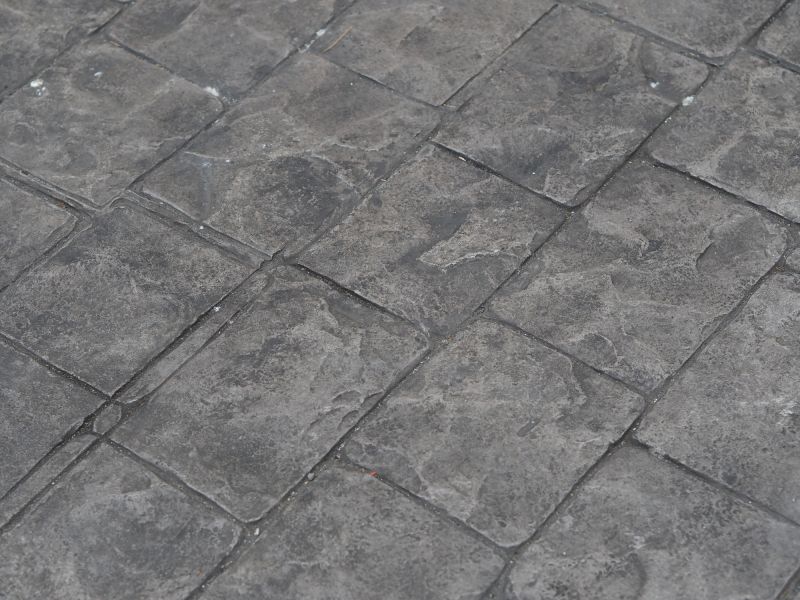
When comparing local contractors for stamped concrete installation, it is important to consider their experience with similar projects. Homeowners should inquire about the types of stamped concrete work they have completed in the past, such as patios, walkways, or driveways, to ensure familiarity with the specific techniques and finishes involved. An experienced service provider will understand how to properly prepare the surface, select appropriate patterns, and achieve durable, visually appealing results that mimic natural materials like stone or brick.
Clear written expectations are essential when evaluating potential contractors. Homeowners should seek detailed descriptions of the scope of work, including surface preparation, stamping procedures, sealing, and finishing touches. Having this information in writing helps prevent misunderstandings and ensures that both parties are aligned on the project’s objectives. Service providers who can clearly articulate their process and provide a comprehensive overview demonstrate professionalism and transparency, making it easier to compare options objectively.
Reputable references and effective communication are key indicators of a reliable contractor. Homeowners are encouraged to ask for references or examples of completed projects similar to their own. Speaking with past clients can provide insight into the contractor’s work quality, punctuality, and ability to handle unforeseen issues. Additionally, good communication-such as prompt responses to questions, willingness to discuss ideas, and clarity about project details-can significantly influence the overall experience. Choosing local service providers who prioritize clear dialogue and have positive references can lead to a smoother, more satisfying stamped concrete installation process.
Property owners often search for what is stamped concrete and how does it work? when they are planning practical projects around their homes and businesses. Local pros provide Stamped Concrete Installation services for everyday jobs and straightforward project options.
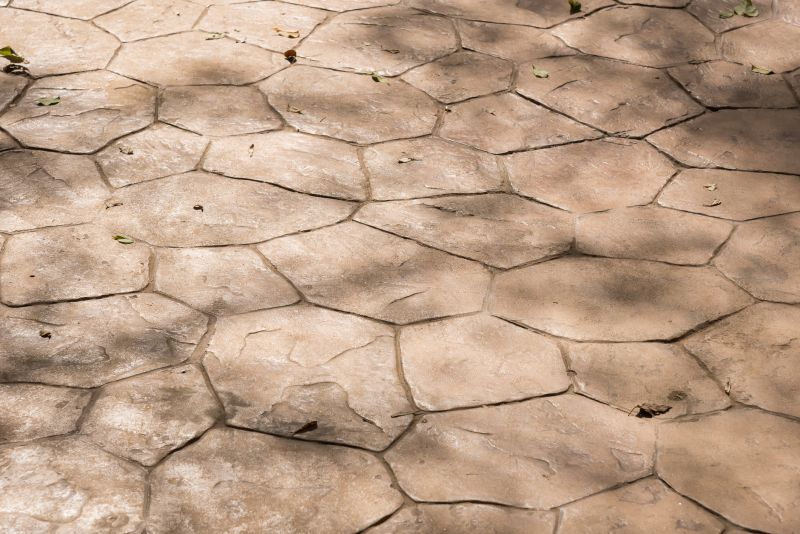
Stamped concrete is a popular choice for property owners looking to enhance outdoor spaces such as patios, walkways, and driveways. This decorative technique involves pouring concrete and then impressing patterns or textures into its surface before it fully sets. The process often includes adding color or stain to achieve a more realistic appearance, mimicking materials like stone, brick, or tile. Homeowners seeking a durable, visually appealing surface that can be customized to match their style might explore stamped concrete installation services offered by local contractors who specialize in decorative concrete work.
In many everyday project situations, property owners consider stamped concrete because it offers a cost-effective alternative to natural materials while providing a long-lasting finish. Local service providers can handle the entire process-preparing the site, pouring the concrete, applying patterns, and finishing touches-making it easier for property owners to achieve a professional look without extensive DIY effort. Whether updating a backyard patio or creating an inviting entryway, consulting with local pros can help ensure the stamped concrete installation meets specific aesthetic and functional needs.
What is stamped concrete and how does it work? Stamped concrete is a type of decorative concrete that mimics the appearance of materials like brick, stone, or tile by pressing patterns into freshly poured concrete. Local contractors apply specialized stamps to the surface before the concrete sets, creating textured and visually appealing designs.
How is stamped concrete installed? The installation process involves pouring a concrete slab, then using stamps to imprint patterns while the concrete is still workable. After the imprinting, the surface is often colored or stained to enhance the appearance, with local service providers managing each step.
Can stamped concrete be customized to match different styles? Yes, local pros can customize stamped concrete with various patterns, textures, and colors to complement different aesthetic preferences and outdoor designs, providing a tailored look for each project.
What types of surfaces are suitable for stamped concrete? Stamped concrete is commonly used for patios, walkways, driveways, and pool decks. Local contractors evaluate the specific site conditions to determine if stamped concrete is a practical and durable choice.
How does stamped concrete compare to other decorative options? Stamped concrete offers a cost-effective and durable alternative to natural stone or pavers, with the ability to replicate high-end materials while providing a seamless surface that local service providers can install efficiently.
Design customization - Property owners can choose from various patterns and colors to create unique outdoor surfaces with stamped concrete, adding personal style to patios or walkways.
Durability enhancement - Local contractors can apply stamped concrete to improve the strength and longevity of driveways and flooring, making them more resistant to wear and weather.
Aesthetic upgrades - Homeowners can transform plain concrete into attractive features like decorative patios or pool decks by working with service providers skilled in stamped concrete techniques.
Surface protection - Professionals can seal and finish stamped concrete to maintain its appearance and protect it from stains, ensuring it stays attractive over time.
If you are thinking about what is stamped concrete and how does it work? for a property, this guide is meant to help you understand this topic, the typical project types, and how different options might fit your plans.
When you are ready, you can use the quote form on this page to share a few details about your project. From there, local pros can review the basics and follow up with options that match what you have in mind.